The pile dwellings of Lake Viverone
The pile dwellings at Lake Viverone belong to the UNESCO World Heritage serial site Prehistoric Pile Dwellings around the Alps, listed in 2011 with 111 component sites. The Viverone settlement is called Vi1-Emissario. It lies between Viverone and Azeglio, under 2 to 3 metres of water, and more than 5,000 lower pile sections have survived there.
That means you will not see the original houses from the shore, and the lake as a whole is not an open-air exhibit. What you can do is visit a free documentation centre and a lakeside point near Azeglio. If you want to combine this with a longer day, see our guide to Piedmont wine tours and day trips.
Piedmont tours and day trips from Lake Viverone
Wine tastings, castles and day trips around Biella and Ivrea, with live prices and availability.
What the UNESCO listing covers
One site in a series, not the whole lake.
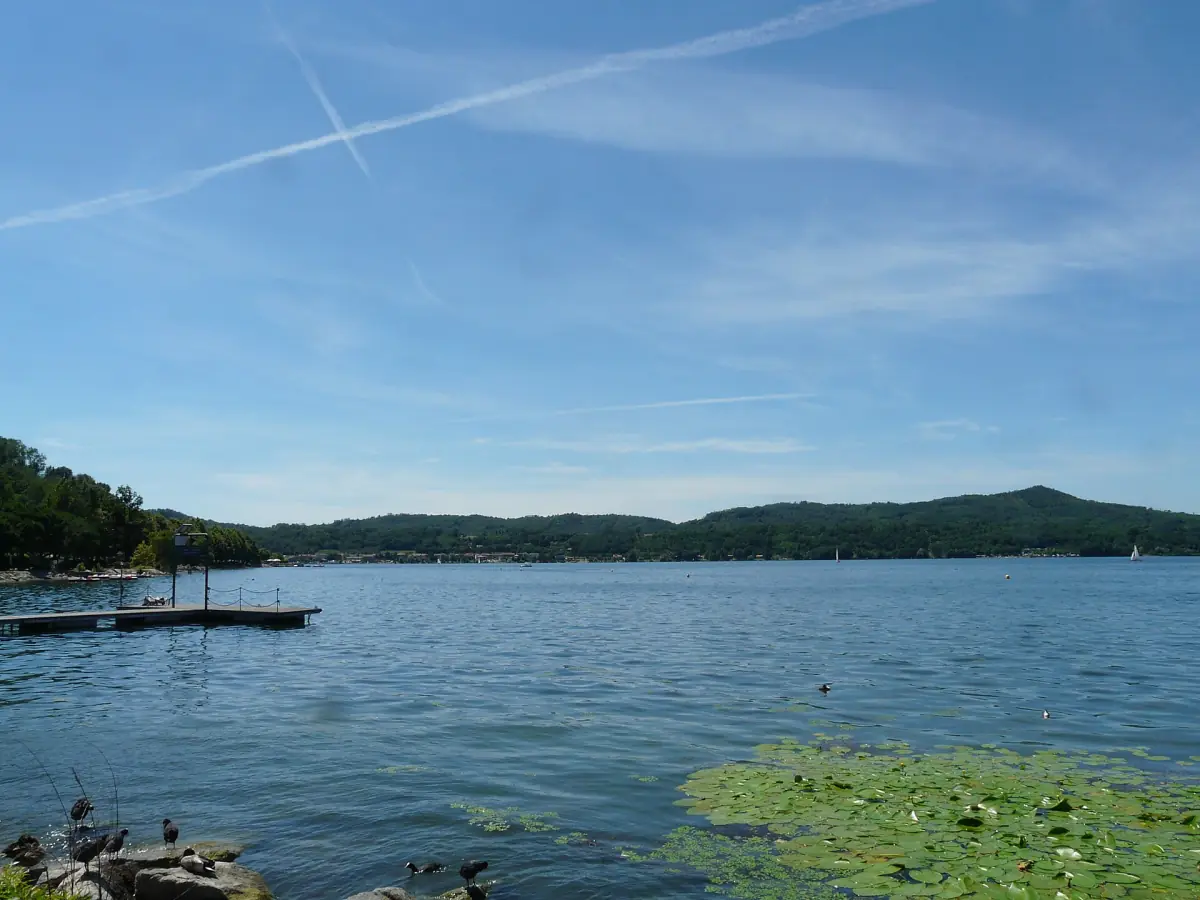
The listing is a series. It bundles 111 prehistoric lake and bog settlements around the Alps into one World Heritage property, and Viverone is one of them. The listing protects archaeological layers, not a visitor attraction. Because the remains lie under the water, the lake looks like any other lake from the surface, and a boat trip or a swim will not show you the piles.
The settlement is dated to between 1650 and 1350 BC, and the documentation centre shows a village of about 1450 BC. Treat these as approximate dates and not as the exact founding year of the whole village. Do not take anything you find, and leave the shoreline as you found it.
The lake is also a Natura 2000 protected area, with wetlands at the southern end and many water birds. That is a good reason to keep to paths, keep dogs under control near the reeds and take your rubbish with you. A visit to the pile dwelling sites works best as a short, quiet stop of an hour or two, not as the main event of a day, and it pairs well with a walk along the promenade on the northern shore.
What you can actually visit
Three places, each with a different purpose.
| Place | What it is | What you see | Cost and hours |
|---|---|---|---|
| Original site Vi1-Emissario | Archaeological remains between Viverone and Azeglio | Nothing from the surface | – |
| Documentation centre, Viverone | Display of Bronze Age finds in the library, Via Umberto I 109, first floor | Finds and explanations | Free. Sundays 2:30 p.m. to 6:30 p.m., June to October except August. School classes by appointment |
| Azeglio landing and bird tower | A pile dwelling landing and a bird watching tower on the shore | A viewpoint over the lake and the shore | Check hours locally |
For most visitors, a good plan is a Sunday afternoon between June and October: start at the documentation centre when it opens at 2:30 p.m., then walk the shore near Azeglio for the view. On other days, go straight to the Azeglio shore, and keep the documentation centre for another visit.
Reconstructions, museums and finds
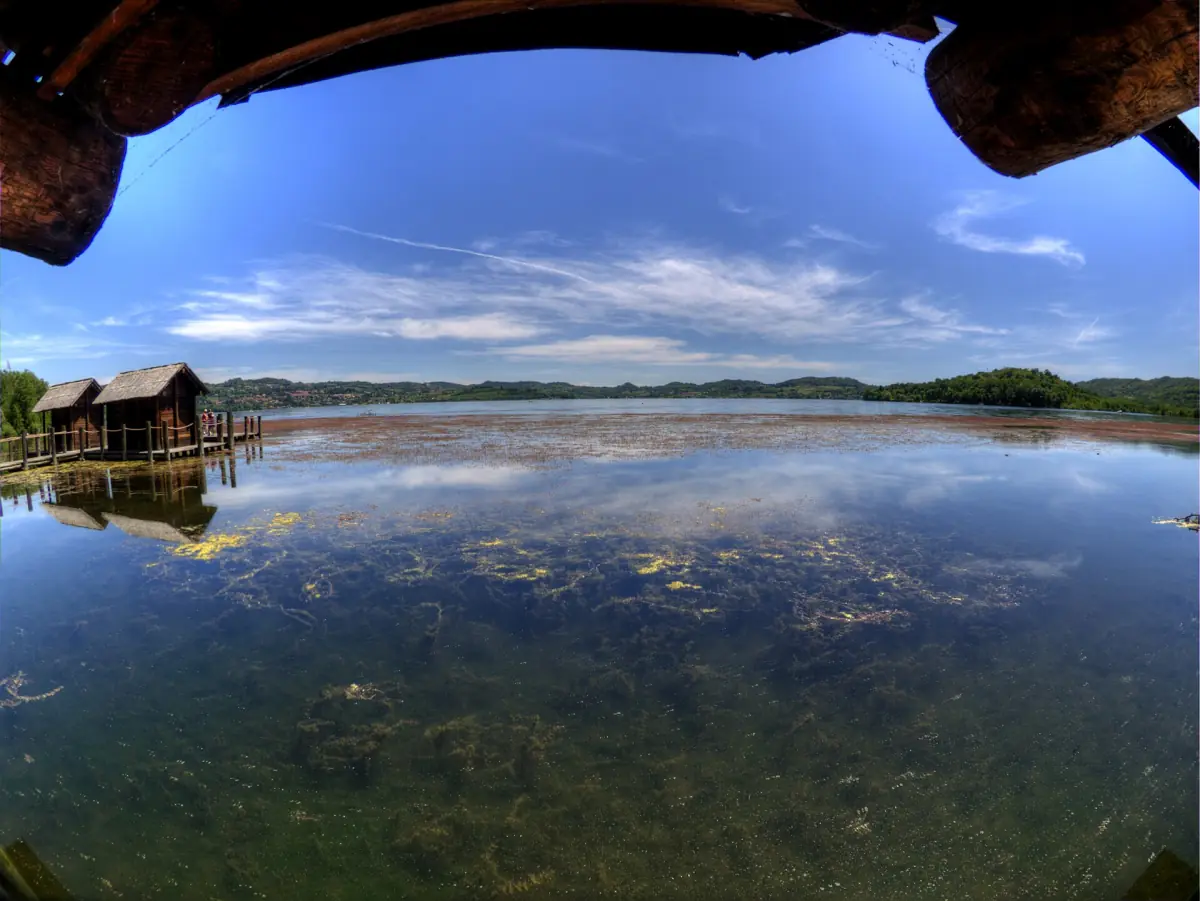
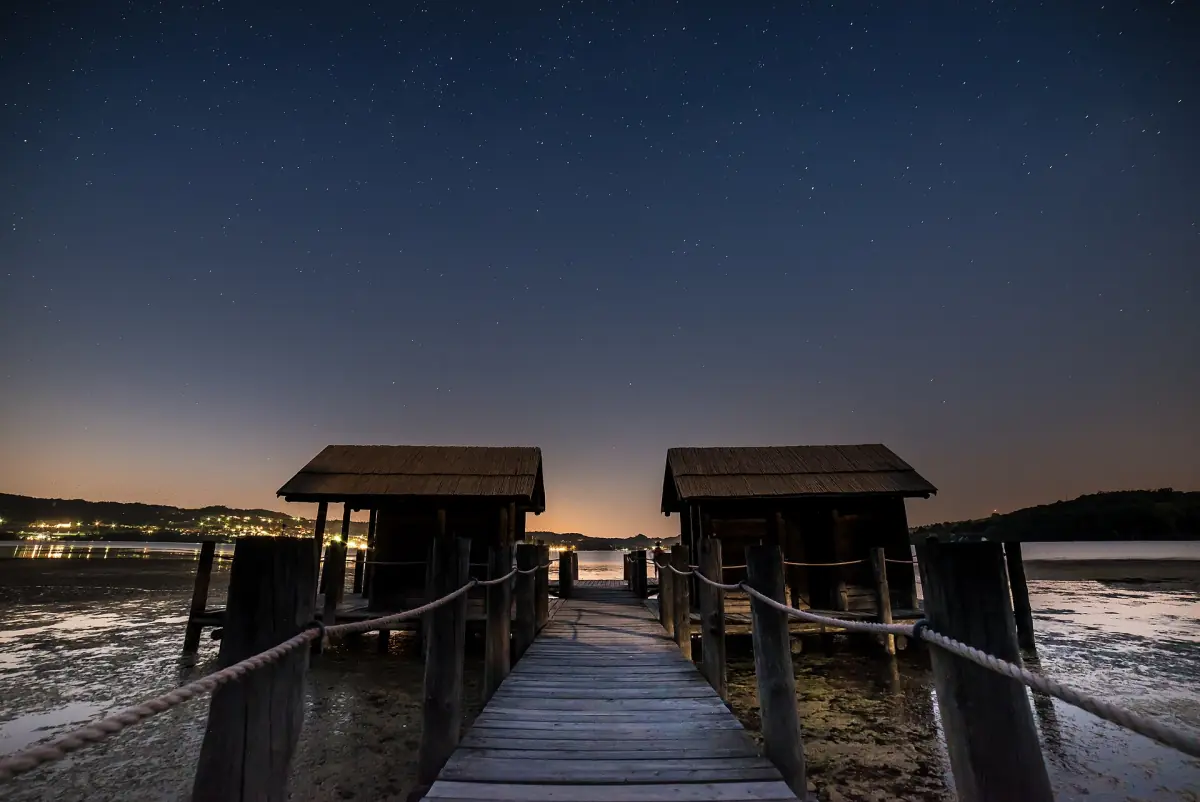
The photos of wooden huts on stilts near Azeglio show a reconstruction and not the original village. Check locally whether you can walk out to them, because access can change. Do not confuse the original site, the reconstruction, the documentation centre and a museum: each tells a different part of the story.
For finds from the lake, the Museo del Territorio Biellese in Biella is the place to ask. Look at its current opening hours before you plan a visit, and do not expect a dive or an underwater tour. If you would rather enjoy the lake itself, our page on Lake Viverone beaches has the lidos and prices.
Combine it with the villages
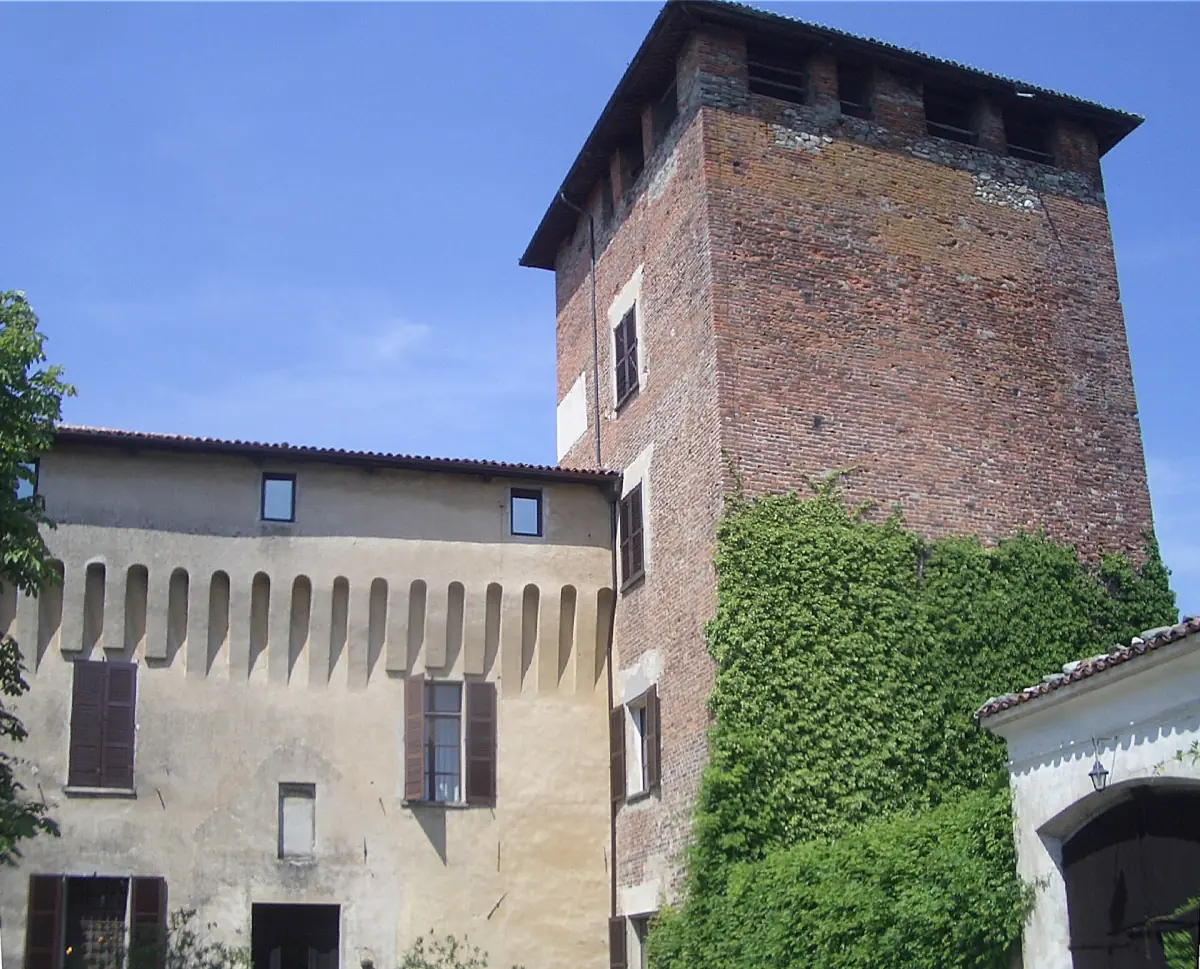
The pile dwelling stops sit next to other places worth a visit.
Pile dwellings at Lake Viverone: frequently asked questions
Can I see the pile dwellings at Lake Viverone?
Not the originals. The remains lie under 2 to 3 metres of water between Viverone and Azeglio, and nothing is visible from the surface. You can visit a free documentation centre in Viverone and a pile dwelling landing near Azeglio.
What is the UNESCO listing?
Prehistoric Pile Dwellings around the Alps became a World Heritage serial site in 2011. It includes 111 component sites, and Viverone is one of them. The whole lake is not an archaeological exhibit.
How old are the Viverone pile dwellings?
The settlement site dates to between 1650 and 1350 BC. The documentation centre shows a village of about 1450 BC, so treat any single year as approximate.
Is the documentation centre free, and when is it open?
Entry is free. The centre is in the library at Via Umberto I 109, on the first floor, and opens on Sundays from 2:30 p.m. to 6:30 p.m., June to October except August. School classes visit by appointment.
Where are the finds kept?
For finds from the lake, ask at the Museo del Territorio Biellese in Biella. Check its opening hours before you go.
Is this site run by UNESCO or the municipality?
No. This is an independent travel guide, not an official site, and it is not connected to UNESCO, the municipality of Viverone or any museum.